After a full day at school, children often need time to recharge before moving on to homework or other responsibilities. However, without a clear routine, the hours after school can quickly become unproductive or stressful for both children and parents.
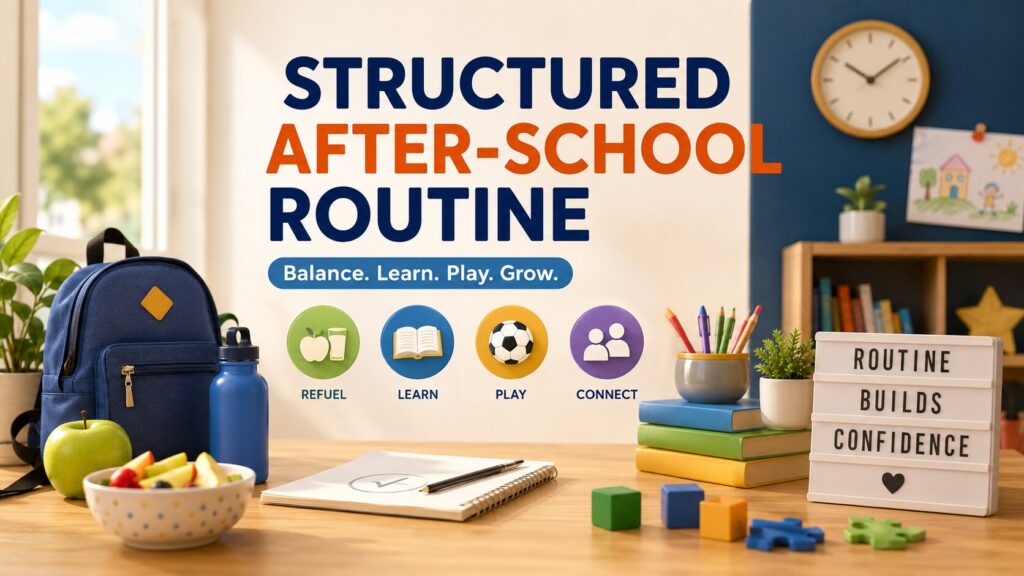
A structured after-school routine gives Leicester children a healthy balance of rest, learning, social interaction and play. It does not mean filling every minute with academic work. Instead, it provides a predictable sequence of activities that helps children understand what happens next and manage their time more confidently.
Starting With a Calm Transition From School
Children may leave school feeling tired, hungry or overstimulated. Expecting them to begin homework immediately can lead to frustration and difficulty concentrating.
A well-planned after-school routine should begin with a short transition period. This may include:
- Having a nutritious snack and a drink
- Talking about the school day
- Spending time outdoors
- Completing a quiet activity
- Resting away from screens for a few minutes
This transition allows children to process their day and restore their energy. Some children may want to talk straight away, while others need quiet time before discussing what happened at school.
Consistency is particularly helpful. When children know that snack and relaxation time come before homework, they are less likely to resist the next part of the routine.
Creating a Manageable Homework and Learning Period
Once a child has had time to settle, the routine can move towards homework, reading or educational activities. The amount of time needed will depend on the child’s age, school expectations and individual learning needs.
For younger children, a short period of focused work may be enough. Older pupils may need longer sessions, especially when preparing for assessments or completing several assignments.
A productive homework period could involve:
- Checking the child’s homework diary or online learning platform
- Identifying which tasks need to be completed first
- Breaking larger assignments into smaller steps
- Providing guidance without completing the work for the child
- Reviewing finished tasks and preparing them for school
Short breaks can help children maintain concentration. For example, a child could work for 20 to 30 minutes before taking a brief movement or refreshment break.
An after-school learning environment can also provide access to additional support when a child does not understand a task. This prevents them from remaining stuck or becoming discouraged. At Educate Leicester, structured guidance can help children approach homework in an organised way while strengthening their independent study habits.
Balancing Learning With Play and Social Development
A structured after-school routine should not focus entirely on schoolwork. Play, creativity and social interaction are important parts of a child’s development.
After completing homework, children may take part in activities such as:
- Arts and crafts
- Board games and puzzles
- STEM challenges
- Outdoor games
- Reading for enjoyment
- Music, drama or storytelling
- Group projects and team activities
These activities give children opportunities to communicate, solve problems and build friendships. They can also help children discover interests that may not always be explored during the school day.
Physical activity is equally important. Running, playing games or taking part in age-appropriate exercise can support physical wellbeing and help children release energy after spending much of the day in a classroom.
A balanced after-school routine should remain flexible. If a child has had a particularly demanding day, they may need more rest. On another day, they may be ready for a longer creative or educational activity.
Why Is a Structured After-School Routine Important?
A predictable after-school routine can help children feel safe and settled because they understand what is expected of them. It may also reduce arguments about homework, screen time and bedtime.
Over time, a consistent routine can support:
- Better time-management skills
- Improved homework habits
- Greater independence
- Reduced evening stress
- Healthier eating and sleeping patterns
- More confidence in completing schoolwork
For working parents, structured after-school routine provision can provide reassurance that their child is in a supervised environment where learning and wellbeing are both supported.
Frequently Asked Questions
How long should children relax before starting homework?
There is no single time that suits every child. Around 20 to 45 minutes may be appropriate, depending on the child’s age, energy level and journey home. The break should help the child reset without making it difficult to return to focused activities.
Should screen time be included in an after-school routine?
Screen time can be included in moderation, but it should not replace homework, physical activity, family interaction or sleep. Parents can establish clear times and limits so children know when devices may be used.
What if a child regularly struggles with homework?
Regular difficulty may indicate a gap in understanding, a lack of confidence or a need for a different learning approach. Parents can speak with the child’s teacher and consider structured academic support to identify where help is needed.
Conclusion
Conclusion
A structured after-school routine can help Leicester children balance relaxation, homework, physical activity and creative play while developing stronger time-management and independent learning habits.
At Educate Leicester, children can benefit from structured after-school support that combines learning, wellbeing and engaging activities in a positive environment. By providing consistency while recognising each child’s individual needs, families can create a more balanced and productive experience beyond the school day.